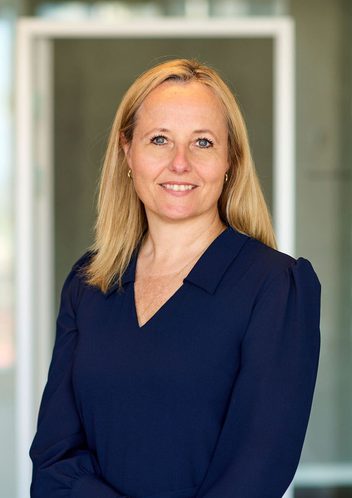
Ebba Perman Borg
Partner
Stockholm
Norway, Sweden, Denmark, UK
by Ebba Perman Borg
Published:
On 19 November 2025, the OECD released an update to the Model Tax Convention on income and on capital, providing new and detailed guidance on short-term cross-border remote work. The updates will be incorporated into revised editions of the OECD Model Tax Convention to be released in 2026.
Amongst the key changes are updates made to the commentary on Article 5, addressing permanent establishments and remote work. The amendments clarify when remote work across borders, such as from a home office, creates a taxable presence for a business. This responds to the rise in such arrangements following the COVID-19 pandemic.
The updated commentary introduces a ”50% of total working time”-benchmark to assess when a home office can constitute a fixed place of business.
These amendments are broadly consistent with the Swedish Tax Agency’s public statement dated 13 May 2022, which emphasises the need to consider whether the company has an interest or benefit in the work being carried out in Sweden. However, the Tax Agency’s statement does not include the 50% threshold introduced by the OECD.
To date, the Swedish, Norwegian and Danish Tax Agencies have not updated its guidance to reflect these OECD changes. We are monitoring developments closely. If you have any questions, please feel free to contact Schjødt’s tax lawyers.